Devon Foster · 21 October 2026
Volunteer Networks in Plumewood Facilitate Cross-Generational Exchanges to Maintain Historic Land Stewardship Methods
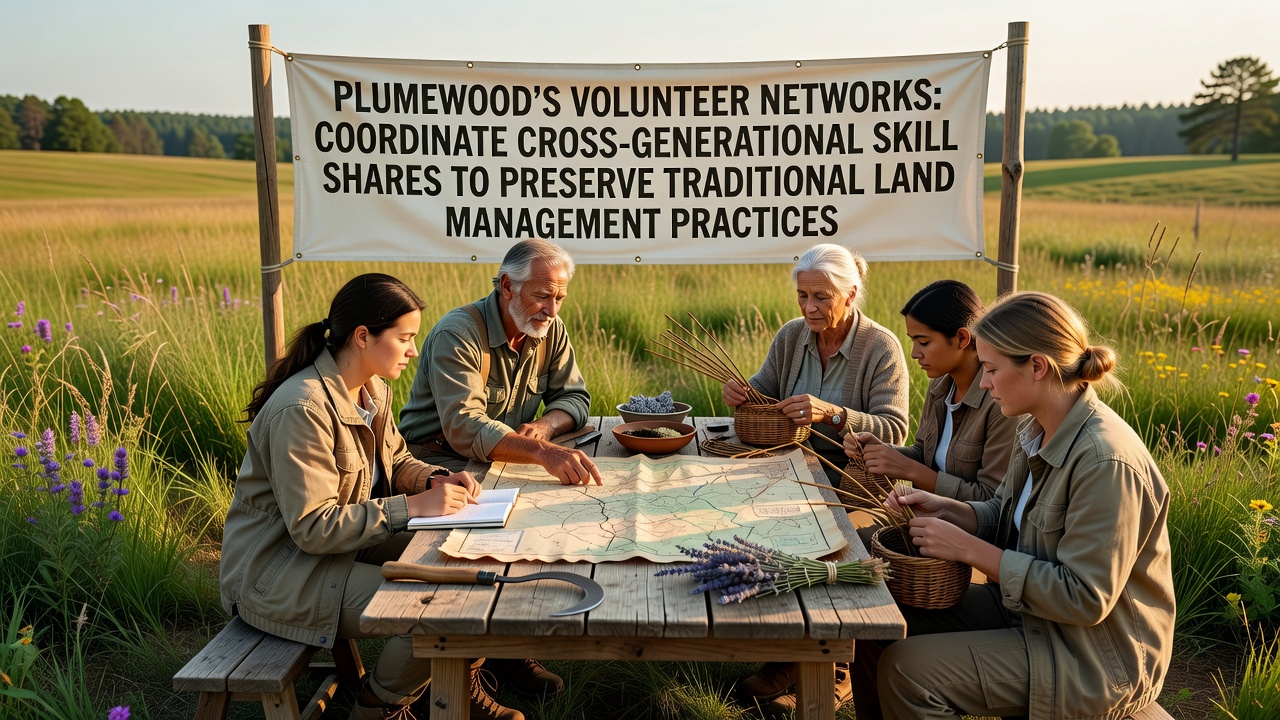
Plumewood's volunteer networks have organized structured skill-sharing programs that connect older residents experienced in historic land practices with younger participants seeking to learn those methods, and these initiatives focus on preserving techniques such as rotational grazing, native plant propagation, and seasonal water diversion systems that have sustained local ecosystems for generations.
Coordinators track participation through community registries that document how knowledge transfers occur during monthly workshops held at designated sites around the area, while data from these sessions show increased adoption of traditional practices among households that previously relied on modern equipment alone.
Origins and Structure of the Networks
Local groups formed the initial volunteer networks in response to documented declines in certain soil health indicators during the early 2020s, and researchers from regional agricultural extensions noted that combining elder knowledge with contemporary monitoring tools helped stabilize those metrics over subsequent years. Programs operate through paired mentorships where experienced practitioners demonstrate hands-on methods during field sessions that last several hours, and participants then apply the techniques on their own properties with follow-up visits scheduled to assess outcomes.
Registration data collected by the networks indicate that over 300 residents joined skill-share events in the past calendar year, and the majority of pairings involved individuals separated by at least two decades in age, which allowed direct transmission of practices that might otherwise fade from use.
Traditional Practices Targeted for Preservation
Skill shares emphasize methods like controlled understory clearing that reduces wildfire fuel loads while encouraging native species regrowth, and these approaches draw from records maintained by longtime landholders who adapted them to Plumewood's specific terrain and climate patterns. Additional sessions cover seed saving from heritage crop varieties that resist local pests better than many commercial alternatives, while participants learn to integrate these with current soil testing protocols supplied through cooperative extension services.
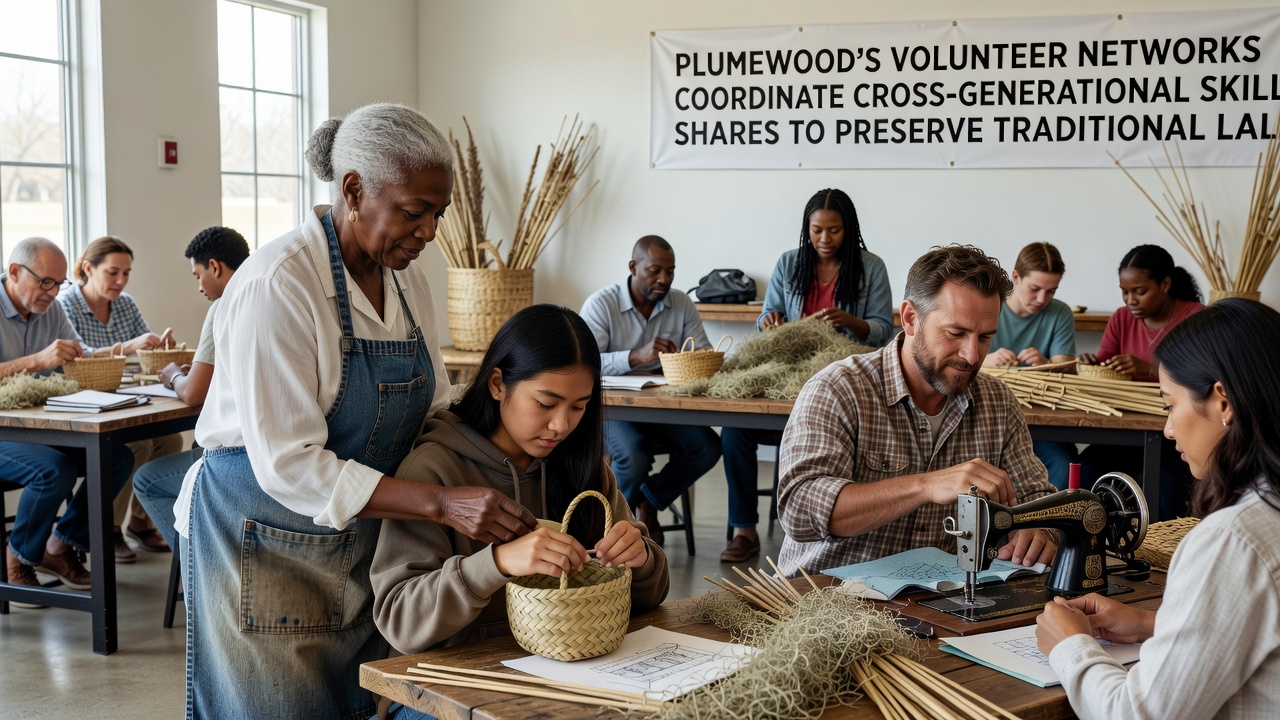
Observers have recorded measurable improvements in biodiversity counts at properties where multiple generations collaborated on restoration projects, and these gains align with findings from similar efforts documented by Australian government reports on indigenous land practices that highlight comparable outcomes when traditional knowledge informs management decisions.
October 2026 Events and Ongoing Coordination
In October 2026 the networks scheduled a series of intensive weekend exchanges focused on preparing land for winter conditions, and these events incorporated demonstrations of historic irrigation adjustments that conserve water during drier periods while maintaining productivity. Attendance records from prior similar gatherings reveal steady growth in youth involvement, which coordinators attribute to school partnerships that award community service credits for participation.
Digital platforms assist with matching participants based on skill levels and availability, yet the core activities remain in-person to ensure accurate demonstration of tactile techniques that resist simple description in written form.
Broader Context and Measured Results
Studies compiled by university extension programs indicate that areas incorporating cross-generational skill transfers experience slower rates of topsoil loss compared with sites using only mechanized approaches, and these patterns hold across multiple soil types present in the Plumewood region. Network leaders compile annual summaries that compare pre- and post-intervention measurements of key indicators such as organic matter content and species diversity, then share those summaries with regional planning bodies for reference in land-use decisions.
One documented case involved a multi-acre parcel where elder-led sessions on hedgerow planting reduced erosion during heavy rainfall events, and subsequent monitoring confirmed the effectiveness of those plantings over two growing seasons. Similar results appear in reports from Environment and Climate Change Canada on traditional ecological knowledge applications, which note parallel benefits when knowledge transfer occurs across age groups in rural settings.
Conclusion
Plumewood's volunteer networks continue to expand their skill-share model by incorporating feedback from past participants and adjusting session formats to accommodate varying schedules, which sustains engagement across demographic groups. The documented preservation of specific land management practices through these exchanges provides a measurable record of how coordinated volunteer efforts maintain continuity between generations while adapting to present conditions.